

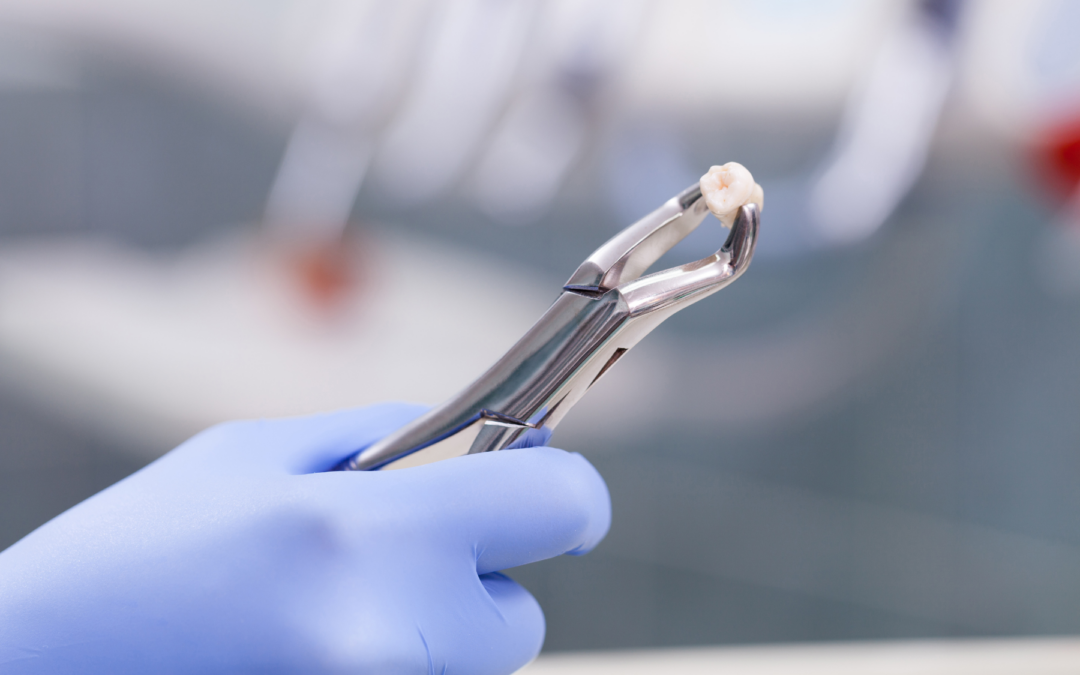
Modern dentistry focuses on preserving natural teeth whenever possible, but there are times when removing a tooth is the healthiest choice. Severe decay, advanced infection, trauma, or overcrowding can all make extraction the safest way to protect your overall oral health.
At BENE Dental, tooth extractions are approached with care, clear communication, and comfort-focused techniques. The goal is not just removing the tooth, but preventing further problems and helping you heal quickly and comfortably.
Common Reasons Tooth Extractions Are Needed
Tooth extractions are never recommended lightly. They are typically advised when a tooth cannot be restored safely or when keeping it would put surrounding teeth or gums at risk.
Some of the most common reasons include:
• Severe tooth decay that reaches deep into the structure
• Infection that cannot be resolved with root canal therapy
• Cracked or fractured teeth beyond repair
• Advanced gum disease causing loose teeth
• Impacted or painful wisdom teeth
• Overcrowding before orthodontic treatment
Each case is evaluated individually to ensure extraction is truly the best solution.
Signs You May Need a Tooth Extracted
In some cases, the need for extraction is obvious. In others, symptoms may be subtle at first.
Warning signs can include persistent pain, swelling, sensitivity that does not improve, recurring infections, or a tooth that feels loose. Facial swelling, fever, or a bad taste in the mouth may indicate infection that requires urgent care.
If pain worsens or does not respond to treatment, it’s important to be evaluated promptly to prevent complications.
Wisdom Tooth Removal Explained
Wisdom teeth are one of the most common reasons for tooth extractions. These third molars often lack enough space to erupt properly, leading to impaction, infection, or pressure on nearby teeth.
Even when wisdom teeth aren’t painful, they may be removed preventively if they are difficult to clean or likely to cause problems in the future. Removing them earlier often results in easier healing and fewer complications.
Emergency Tooth Extractions
Some extractions cannot wait. Severe infections, trauma, or sudden tooth fractures may require same-day or urgent care.
Emergency tooth extractions are often performed to relieve pain, stop the spread of infection, and protect overall health. Prompt treatment can also reduce the risk of swelling, bone damage, or systemic infection.
At BENE Dental, patients experiencing dental emergencies are guided quickly and compassionately through the next steps.
What to Expect During a Tooth Extraction
Many patients worry about discomfort, but modern extraction techniques are far gentler than people expect. Comfort is a top priority throughout the process.
A typical extraction visit includes:
• Thorough examination and digital imaging
• Local anesthesia to fully numb the area
• Gentle removal of the tooth using precise instruments
• Careful cleaning of the site
• Instructions to support proper healing
For anxious patients, sedation options may be available to help create a relaxed experience.
Simple vs. Surgical Extractions
Not all extractions are the same. Some teeth are fully visible and easily removed, while others require a more surgical approach.
Simple extractions are performed when the tooth is fully erupted and accessible. Surgical extractions are used for impacted teeth, broken teeth, or roots that are difficult to reach.
Your dentist will explain which type applies to your situation and what that means for recovery.
Recovery and Healing After Tooth Removal
Healing after a tooth extraction is usually straightforward when aftercare instructions are followed closely. Most patients experience mild soreness for a few days.
Key recovery tips include:
• Resting for the first 24 hours
• Avoiding smoking or vaping
• Eating soft foods while healing begins
• Keeping the area clean without disturbing the clot
• Taking prescribed or recommended pain relief
Proper healing helps prevent complications like dry socket and speeds up recovery.
Managing Pain and Swelling
Some swelling and tenderness are normal after an extraction. Cold compresses, gentle rest, and medication as directed usually manage discomfort well.
Pain should gradually improve each day. If pain worsens after a few days or swelling increases significantly, it’s important to contact the office for evaluation.
What Happens After the Tooth Is Removed
Removing a tooth often creates the next important decision: whether to replace it. Leaving gaps untreated can cause surrounding teeth to shift, affect chewing, and lead to bone loss over time.
Replacement options may include dental implants, bridges, or partial dentures, depending on the location of the tooth and your overall oral health. Planning ahead helps maintain bite balance and long-term stability.
Tooth Extraction for Orthodontic Reasons
In some cases, extractions are recommended to create space for orthodontic treatment. Removing specific teeth allows remaining teeth to align properly and improves long-term results.
These extractions are carefully planned and coordinated with orthodontic care to ensure the best outcome.
Why Choosing the Right Dentist Matters
Tooth extractions require skill, planning, and attention to comfort. At BENE Dental, extractions are performed using modern techniques that minimize trauma and support faster healing.
Patients are guided through every step, from diagnosis to aftercare, so they feel confident and informed throughout the process.
A Healthier Smile Sometimes Starts With Letting Go
While saving teeth is always the goal, removing a damaged or infected tooth can protect your health and prevent bigger issues down the road. Tooth extractions can relieve pain, stop infection, and create a foundation for future restorative care.
If you’re dealing with severe tooth pain, infection, or have been told an extraction may be necessary, BENE Dental is here to help. Schedule a consultation to get clear answers and compassionate care focused on your comfort and long-term oral health.